
Coming Home After a Hospital Stay: How Utah Families Can Avoid a Return Trip
The discharge paperwork is signed, the ride home is arranged, and everyone breathes a sigh of relief. Then you get home, unpack a bag of new prescriptions, and realize no one is quite sure what happens next.
That gap — between the hospital’s care and daily life at home — is where a lot of recoveries quietly go sideways. The first couple of weeks after discharge tend to be the most fragile stretch, especially for older adults managing more than one condition. Below is what we watch for at Specialty Nursing Services, and what your family can do at home.
Why the first two weeks matter so much
A hospital stay changes almost everything at once. Medications get added, stopped, or re-dosed. Appetite and sleep are off. Strength drops faster than most people expect after even a few days in bed. And the person going home is often still tired enough that they only half-heard the discharge instructions.
None of that is a failure — it’s normal. But it means the plan that made sense in a hospital room needs to be translated into a real kitchen, a real bathroom, and a real daily routine.
Start with the medication list
Medication confusion is one of the most common problems we find on a first home visit. A patient comes home with a new prescription that duplicates something already in the cabinet, or an old bottle that was supposed to be stopped is still sitting on the counter.
Before anything else, gather every bottle in the house — including vitamins, supplements, and over-the-counter items — and compare them against the discharge list. If something doesn’t match, don’t guess. Call the prescribing provider or the pharmacy. A skilled nurse can do this reconciliation with you and set up an organizer so each dose is obvious.
Know the warning signs before you need them
Most families can manage a small problem at home if they catch it early. The trouble is not knowing what “early” looks like. Write down, in plain language, what to watch for and who to call. Generally worth a same-day call to the provider:
- New or worsening shortness of breath
- Sudden weight gain or new swelling in the legs, ankles, or belly
- Fever, chills, or a surgical site that becomes red, warm, or starts draining
- Confusion or a noticeable change in alertness
- Dizziness, a fall, or a near-fall
- Not eating or drinking, or being unable to keep medications down
Chest pain, trouble breathing at rest, or stroke symptoms are 911 calls — not wait-and-see calls.
Make the house fit the person who came home
Someone who walked steadily two weeks ago may not walk steadily today. Take an honest look at the path from the bed to the bathroom: throw rugs, cords, low lighting, a walker that doesn’t fit through a doorway. Clear that path first, add a night light, and keep a phone within reach of the bed and chair.
If your loved one came home with a walker or new equipment, make sure it’s the right height and that they’ve actually practiced using it at home — not just once in a hospital hallway.
Don’t let the follow-up appointment slip
Follow-up visits are easy to postpone when someone is tired and transportation is a hassle. They’re also where medication changes get corrected and complications get caught. Put every appointment on one shared calendar the whole family can see, and arrange the ride in advance rather than the morning of.
How home health fits in
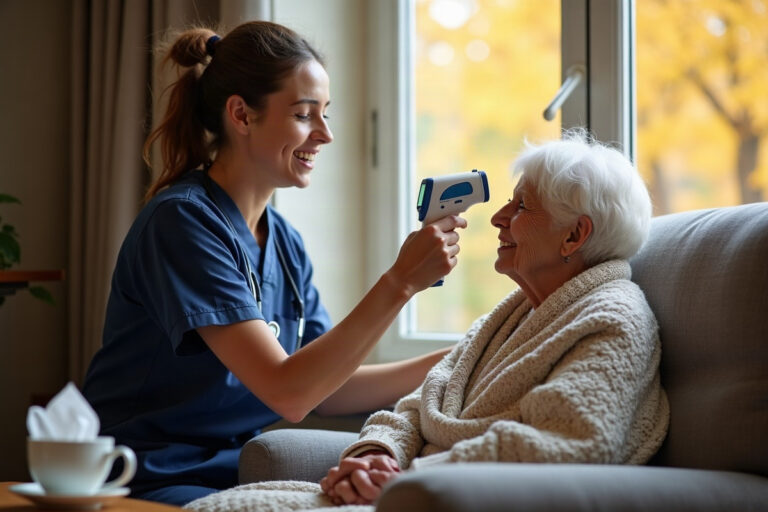
This is exactly what Medicare-certified home health is built for. After a qualifying hospital stay, a skilled nurse can come to the house to assess how recovery is actually going, reconcile medications, monitor vital signs, care for wounds or surgical sites, and teach the family what to watch for. Physical and occupational therapists rebuild the strength and balance lost during the stay, right in the home where it has to work.
Just as important, someone clinical is laying eyes on your loved one regularly — often catching a change days before it would have turned into another ER visit.
If a hospital or rehab discharge is coming up, you can ask the discharge planner to refer to Specialty Nursing Services by name. We serve families across Northern Utah, and we’re happy to talk through whether home health is the right fit — before discharge day, not after.
Coming home from the hospital soon?
Talk with our Utah care team about skilled nursing and therapy at home.