Wound Care at Home: Why Some Wounds Heal Slowly and How a Nurse Helps
Most cuts and scrapes heal on their own. But some wounds — a surgical incision, a diabetic foot ulcer, a pressure sore, a stubborn sore on the lower leg — stall out and stay open for weeks. When that happens, the wound usually isn’t the whole story. Something else is slowing healing down, and it takes a trained eye to find it.
That’s what skilled wound care at home is for. Here’s what it involves, who it helps, and what families in Northern Utah can expect.
Why some wounds heal slowly
Healing depends on good circulation, steady nutrition, controlled blood sugar, and pressure being kept off the area. When any one of those is off, a wound can linger. Common reasons a wound stops making progress include:
- Diabetes — higher blood sugar and reduced sensation in the feet make small injuries easy to miss and slower to close.
- Poor circulation — less blood flow means less oxygen and fewer healing nutrients reaching the tissue.
- Pressure — sitting or lying in one position keeps reopening the same spot.
- Swelling in the legs — fluid buildup keeps the skin under strain.
- Nutrition — healing takes protein, fluids, and calories, and appetite often drops after an illness or surgery.
A wound that isn’t improving after a couple of weeks is worth a professional look. So is any wound that’s getting larger, draining more, or becoming more painful.
What a home wound care visit actually looks like
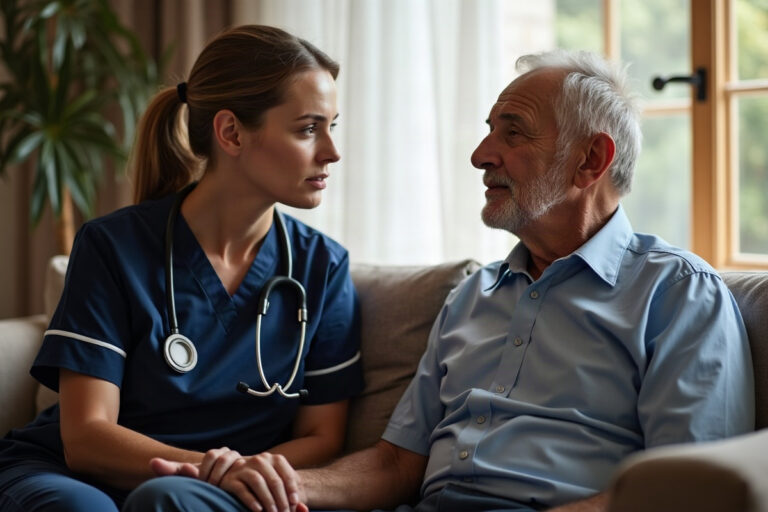
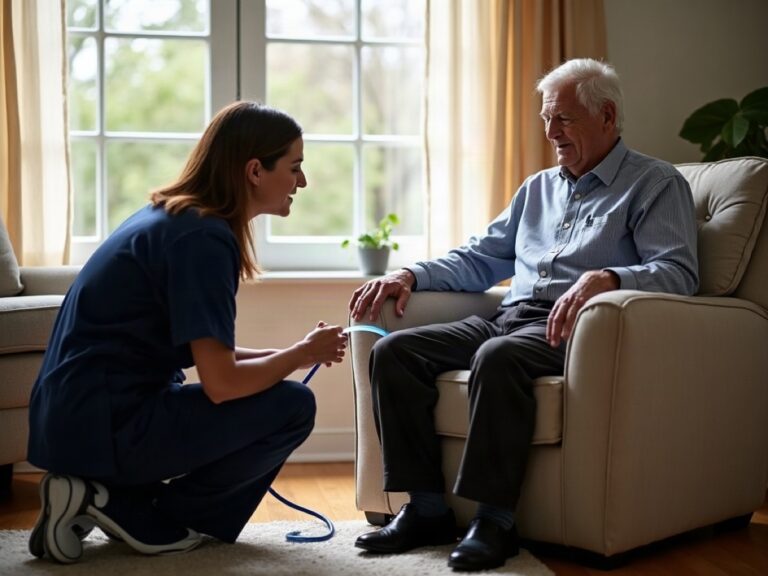
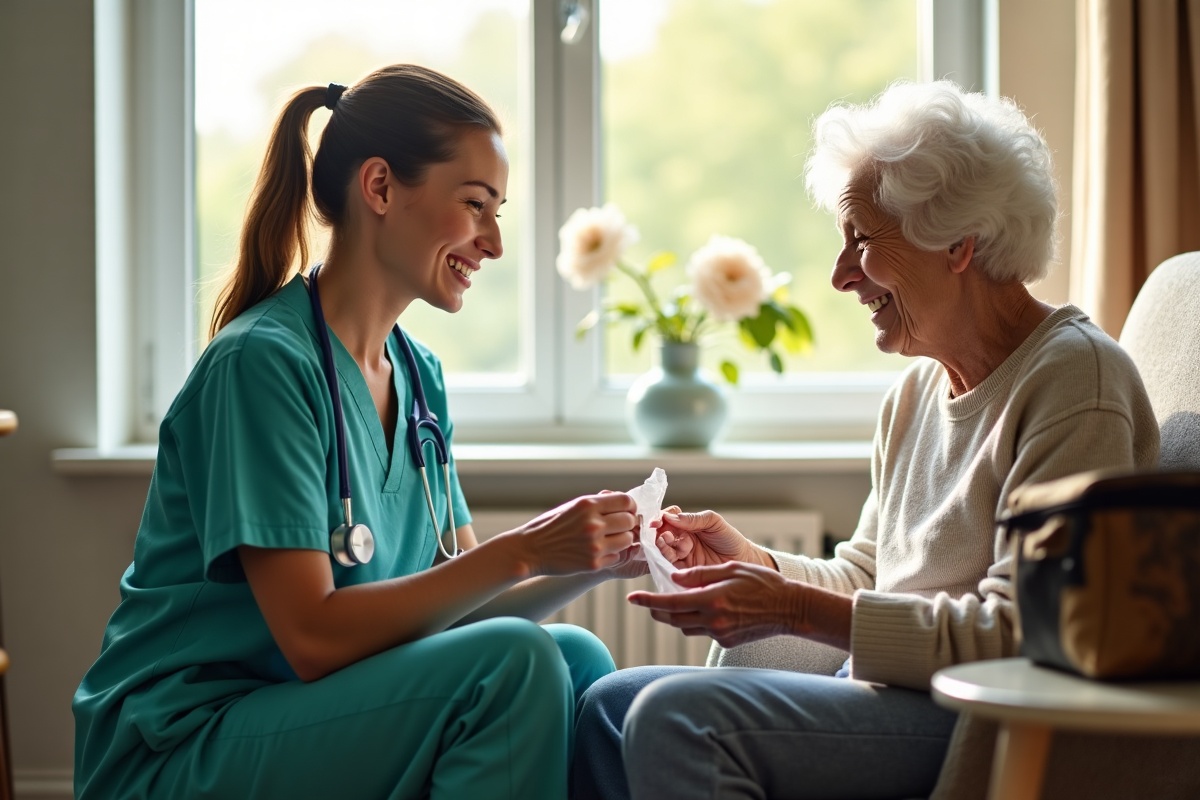
A home health nurse doesn’t just change a bandage and leave. A typical visit includes:
- Assessing and measuring the wound so changes are tracked over time rather than guessed at.
- Cleaning and dressing the wound using the technique and dressing type ordered by your physician.
- Watching for signs of infection — increased redness, warmth, odor, new drainage, fever, or a jump in pain.
- Checking the whole picture — blood sugar, swelling, circulation, appetite, mobility, and how much pressure is on the area.
- Teaching the family what to look for between visits and how to protect the site.
- Reporting back to your doctor so the treatment plan can be adjusted when the wound isn’t responding.
That last piece matters more than people realize. Wound care is rarely one fixed plan. Dressings and approaches often change as the wound changes, and having a nurse in the home means those changes happen sooner.
Signs to call about right away
Between visits, contact your nurse or physician if you notice spreading redness, a bad odor, drainage that increases or changes color, warmth around the wound, a fever, or pain that suddenly gets worse. These can point to infection, and infections are much easier to treat early. Never wait for the next scheduled visit if something looks or feels wrong.
What families can do between visits
Family support makes a real difference in how a wound does. Simple, practical things help most:
- Keep the dressing clean and dry, and follow the nurse’s instructions exactly — including how often it’s changed.
- Help your loved one shift position regularly if they spend long stretches in a bed or recliner.
- Offer protein-rich foods and plenty of fluids, unless a doctor has placed limits on either.
- Inspect the feet daily if diabetes is part of the picture, including between the toes and the heels.
- Make sure shoes and slippers fit and don’t rub.
- Write down what you see — the nurse can act on specifics far better than on “it looks about the same.”
Is wound care covered by Medicare?
Skilled wound care is one of the services Medicare may cover under the home health benefit. In general, a physician must certify that skilled care is needed, the patient must be considered homebound, and the care must come from a Medicare-certified agency. Coverage depends on your individual situation, and our office can help you check eligibility and coordinate the physician orders before care begins.
Healing where you’re most comfortable
For most people, coming home is the goal — and a slow-healing wound shouldn’t stand in the way of that. Regular visits from a nurse who knows the wound, knows the patient, and stays in contact with the physician let healing happen in familiar surroundings, without repeated trips to a clinic.
If you’re caring for someone in Northern Utah with a wound that isn’t closing the way it should, we’re glad to talk it through with you.
Wound care at home in Northern Utah
Specialty Nursing Services is a Medicare-certified home health agency providing skilled nursing, wound care, and therapy across Northern Utah. If a wound is healing slowly, our care team can talk through your options and coordinate with your doctor.